10 Influential porn films of the 1970s That Shaped Cinema
The 1970s occupy a unique chapter in film history. During this decade, a handful of porn-oriented productions moved beyond niche audiences and briefly entered mainstream cultural conversations.
Newspapers reviewed them, celebrities attended premieres, and some even played in traditional movie theaters alongside independent and arthouse films.
Often referred to as the Golden Age of Adult Cinema, this era saw filmmakers experiment with storytelling, cinematography, editing, and character development in ways that distinguished certain productions from what came before.
Why the 1970s Became the Golden Age of Adult Cinema
Several cultural shifts helped create the perfect conditions for porn films to gain unprecedented visibility.
The late 1960s and early 1970s were marked by changing attitudes toward sexuality, free speech, and artistic freedom. Court decisions in several countries relaxed censorship standards, while independent filmmakers experimented with stories that challenged traditional social norms.
This period also coincided with the rise of independent cinema. Lower production costs allowed directors to create films outside the traditional studio system, giving them greater creative freedom.
The phenomenon even earned its own nickname: "porno chic." For a brief period, watching certain porn films became part of broader cultural discussions rather than something confined entirely to underground venues.
Although that era was relatively short-lived, its influence can still be seen in conversations about censorship, freedom of expression, and independent filmmaking.
10 Influential porn films of the 1970s
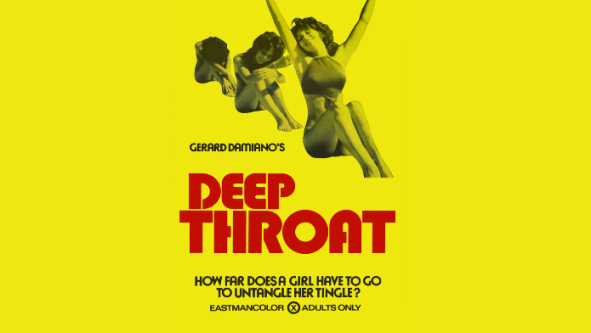
1. Deep Throat (1972)
Few films symbolize the Golden Age of Adult Cinema quite like Deep Throat. Despite its modest production budget, it became a cultural phenomenon and attracted widespread media attention.
Its unprecedented commercial success sparked debates about obscenity laws, censorship, and the boundaries between porn entertainment and mainstream cinema. The film's notoriety also led to numerous legal challenges that shaped conversations about free speech throughout the decade.
Today, it remains one of the most frequently discussed porn films in cinema history, primarily because of its cultural impact rather than its content.
2. Behind the Green Door (1972)
Produced by the Mitchell brothers, Behind the Green Door became another landmark release during the early 1970s.
Unlike many earlier productions, the film emphasized elaborate production design, stylized cinematography, and theatrical presentation. Its visual approach demonstrated that porn films could incorporate artistic techniques commonly associated with independent filmmaking.
The film is also remembered for helping establish recognizable performers whose popularity extended beyond porn audiences.
3. The Devil in Miss Jones (1973)
Directed by Gerard Damiano, The Devil in Miss Jones pushed narrative filmmaking further than many of its contemporaries.
Drawing inspiration from existential drama, the story explored themes of regret, morality, and desire through a structured dramatic arc rather than relying solely on episodic scenes.
Many film historians consider it one of the strongest examples of storytelling during the Golden Age, demonstrating that porn-oriented productions could incorporate character development and emotional themes.
4. The Opening of Misty Beethoven (1976)
Inspired by George Bernard Shaw's Pygmalion, this film is frequently cited as one of the most ambitious productions of the era.
Its polished cinematography, international filming locations, and comedic tone helped distinguish it from many contemporary releases. Critics who study the history of porn cinema often praise its production quality and narrative structure.
Even decades later, it continues to appear on lists examining influential works from the 1970s.
5. Alice in Wonderland: An X-Rated Musical Fantasy (1976)
Loosely adapted from Lewis Carroll's classic novel, this reinterpretation became known for its elaborate costumes, colorful production design, and fantasy-inspired visuals.
Rather than focusing solely on sensationalism, the film attempted to blend recognizable literary influences with the stylistic experimentation common during the decade.
Its ambitious set pieces reflected the industry's growing investment in higher production values.
6. The Resurrection of Eve (1973)
Although less commercially famous than some of its contemporaries, The Resurrection of Eve earned recognition for its distinctive visual style and ambitious storytelling.
The film experimented with symbolism and dramatic pacing, illustrating how some directors sought to elevate porn productions through artistic expression.
Today, it remains an interesting example of the creative experimentation that characterized the Golden Age.
7. Barbara Broadcast (1977)
Directed by Radley Metzger, Barbara Broadcast showcased the filmmaker's signature emphasis on elegant cinematography and stylish set design.
Metzger, who had previously worked in European art-house cinema, brought a sophisticated visual sensibility to his productions. As a result, many scholars view his work as an important bridge between independent filmmaking and porn cinema.
The film's polished presentation continues to receive attention in discussions about cinematic craftsmanship.
8. The Private Afternoons of Pamela Mann (1974)
This film became notable not only for its production but also for its legal significance.
It was among several productions involved in obscenity-related court proceedings during the 1970s, making it an important reference point in discussions about censorship and First Amendment protections.
Its historical relevance extends well beyond the film itself.
9. SexWorld (1978)
Inspired by the science fiction concept popularized by Westworld, SexWorld blended speculative storytelling with porn-oriented themes.
The film stood out for its imaginative premise, larger ensemble cast, and comparatively complex narrative.
Many fans of vintage cinema appreciate it as an example of how filmmakers experimented with genre storytelling during the late 1970s.
10. The Ecstasy Girls (1979)
Closing out the decade, The Ecstasy Girls reflected the industry's transition toward larger productions and changing audience expectations.
By the end of the 1970s, improvements in filmmaking equipment and distribution had increased production quality across the industry. However, the rise of home video would soon transform viewing habits and permanently reshape porn filmmaking.
As such, the film represents the closing chapter of the Golden Age before the industry's next major evolution.
Lasting Legacy of the Golden Age
Although the Golden Age of Adult Cinema lasted little more than a decade, its influence remains surprisingly significant.
Historians continue to study this period because it intersected with broader developments in film censorship, independent production, freedom of expression, and changing cultural attitudes toward sexuality.
Several directors experimented with cinematic techniques that borrowed from European art films and New Hollywood productions. Others demonstrated that audiences were interested in coherent storytelling and higher production values, even within genres that existed outside the mainstream.
While today's porn entertainment industry looks very different due to streaming technology, digital production, and changing consumer habits, many of the business models and creative experiments from the 1970s helped shape what followed.
Frequently Asked Questions
Why are the 1970s called the Golden Age of Adult Cinema?
The term refers to a period when certain porn-oriented films achieved unprecedented mainstream visibility, theatrical releases, media attention, and discussions about artistic merit alongside debates over censorship and free speech.
Were these films shown in regular movie theaters?
Yes. During the early and mid-1970s, some porn films were screened in dedicated theaters as well as select mainstream cinemas, particularly in major metropolitan areas where local regulations permitted such exhibitions.
Why did the Golden Age come to an end?
Several factors contributed, including stricter enforcement of obscenity laws in some jurisdictions, changing public attitudes, and the rapid adoption of home video technology in the late 1970s and early 1980s. Home viewing fundamentally altered production, distribution, and audience behavior.
Are these films important to film history?
Many film historians consider them culturally significant because they influenced conversations about censorship, freedom of expression, independent filmmaking, and the evolution of cinema during the 1970s.
Conclusion
The Golden Age of Adult Cinema represents one of the most unusual intersections between popular culture, independent filmmaking, and social change. For a brief moment, porn-oriented productions became part of larger conversations about artistic freedom, censorship, and the evolving landscape of American cinema.
Whether viewed through the lens of film history, legal scholarship, or cultural studies, these ten films remain noteworthy for the impact they had beyond their genre.
More than fifty years later, they continue to offer a fascinating glimpse into a decade when cinema pushed boundaries, challenged conventions, and reflected the rapidly changing attitudes of the 1970s.